DJI Osmo Pocket 3 vs iPhone for Vlogging
DJI Osmo Pocket 3 vs iPhone for vlogging: when a pocket camera's 1-inch sensor and mechanical gimbal beat the phone you own, and when they don't.
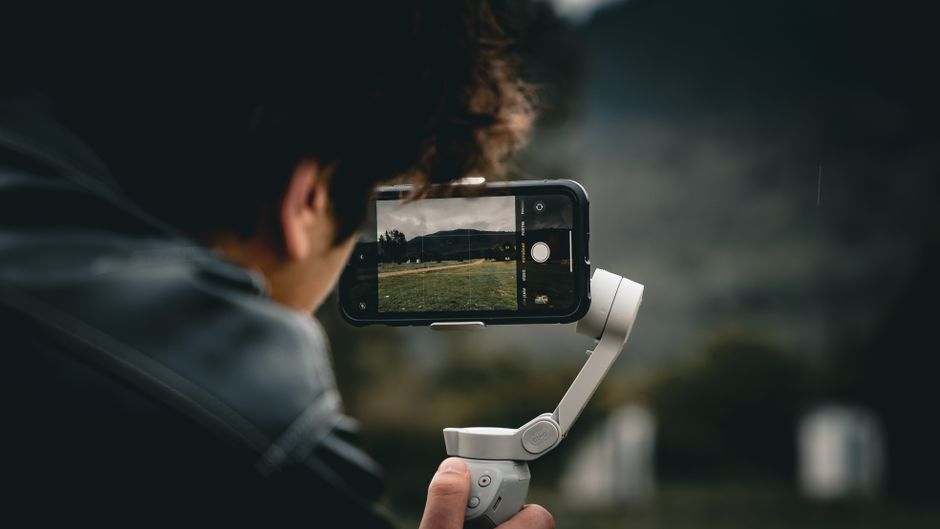
The DJI Osmo Pocket 3 vs iPhone question comes down to one thing: whether a dedicated pocket camera earns its place next to the phone you already carry. Both shoot sharp 4K, both fit in a jacket pocket, and both can front a decent vlog. They diverge on the parts of vlogging that are hardest to fake in software - steady handheld motion, low-light image quality, and framing yourself while you talk.
How does the Osmo Pocket 3 differ from your iPhone?
Start with the sensor. The DJI Osmo Pocket 3 (a pocket-sized vlogging camera built around a 1-inch sensor and a motorised gimbal) uses a physically larger imaging chip than any single lens on a phone, so it gathers more light per frame. That gap is invisible in bright daylight and obvious at dusk, indoors, or under street lighting, where phone footage turns noisy and soft.
The bigger difference is stabilisation. The Pocket 3 has a true mechanical gimbal (a motorised mount that physically counteracts your hand movement), so walking shots stay level and smooth. An iPhone leans on digital stabilisation, which crops into the frame and smooths motion in software. It works well in good light but struggles with the low-light micro-jitter and rolling shutter wobble that a physical gimbal simply prevents.
Then there is framing. The Pocket 3's 2-inch screen rotates, so you can flip to vertical for Reels or spin it to face you and see yourself while you talk. Selfie vlogging on a phone means holding a slab at arm's length and trusting the ultra-wide lens to keep you in shot.
When does the Osmo Pocket 3 beat your phone?
Choose the Osmo Pocket 3 if your vlogs involve movement. Walk-and-talks, city b-roll, travel days, and anything filmed one-handed all benefit from the mechanical gimbal in a way no phone setting matches.
It also pulls ahead after dark. The 1-inch sensor and ActiveTrack 6.0 (DJI's subject-tracking system that keeps you centred as you move) make solo night filming realistic rather than a noisy compromise. Battery tops up fast, reaching roughly 80 percent in about 16 minutes, so a quick coffee stop resets you for the next scene.
Solo creators get the most from it. The rotating screen, gesture-triggered recording, and direct pairing with DJI wireless mics mean you can start a clean, well-framed, well-recorded shot without a second person or a rig. That combination is the Pocket 3's real argument.
When is the iPhone in your pocket already enough?
Keep filming on your iPhone if your content is mostly static or shot in good light. Talking to camera at a desk, product close-ups, sit-down pieces, and daytime clips look excellent straight off a modern phone, and Apple's computational processing does a lot of quiet work on colour and dynamic range.
The phone also wins on friction. It is always with you, it needs no charging or packing, and you can shoot, edit, and upload without moving files between devices. For occasional vlogs, or a channel still finding its format, that convenience beats a sharper but separate camera you have to remember to bring.
Cost matters too. You already own the phone. Spending nothing and improving your lighting and audio often lifts a vlog more than a new camera body does.
Gimbal or Action mode: which stabilisation wins?
There is a middle path. If your only real complaint about phone footage is shaky motion, a phone gimbal fixes that for far less than a new camera. The DJI Osmo Mobile 7 is a light 3-axis stabiliser with a built-in tripod and ActiveTrack 7.0, and it turns the iPhone you own into a steady vlogging rig.
Compare that with the iPhone's Action mode (Apple's aggressive digital stabilisation setting). Action mode is genuinely good for handheld motion, but it crops the frame, needs plenty of light, and cannot rescue night footage the way a motorised gimbal can. A gimbal steadies the whole sensor mechanically; Action mode discards pixels to hide the shake.
So the honest hierarchy for smooth handheld footage runs: Osmo Pocket 3 first, iPhone on a gimbal second, iPhone in Action mode third. Where your budget and carrying tolerance land decides which is right for you.
| DJI Osmo Pocket 3 | Your iPhone | |
|---|---|---|
| Sensor | 1-inch | Smaller per-lens sensor |
| Stabilisation | Mechanical 3-axis gimbal | Digital (Action mode) |
| Selfie framing | Rotating 2-inch screen | Front camera at arm's length |
| Low light | Strong | Good, with more noise |
| Audio | Direct DJI Mic pairing | Built-in or paired mic |
| Extra cost | New purchase | Already owned |
How do you fix vlogging audio on each?
Audio is where most vlogs are really won or lost, and both cameras need help here. The Pocket 3's built-in mics are only average, and a phone's are worse once you step outside. The upgrade for either is a wireless lavalier.
The DJI Mic 2 is the natural partner for both. Its transmitters pair directly with DJI Osmo cameras over Bluetooth, so on the Pocket 3 you skip the receiver entirely, and the same kit connects to an iPhone with the bundled adapters. Its 32-bit float recording protects takes from clipping, which matters when you cannot monitor levels while filming solo.
What do you give up with each choice?
Every camera is a set of trade-offs, and naming them upfront saves buyer's remorse. The Osmo Pocket 3 has a fixed lens with no optical zoom, no weather sealing, and modest battery life without the optional handle, and long sessions can trigger thermal throttling. It is also a second device to charge, pack, and offload footage from at the end of a shoot.
The iPhone's compromises are quieter but real. Its smaller sensors lose ground in low light, sustained 4K recording generates heat and drains the battery you also need for the rest of your day, and high-bitrate footage fills storage fast. Holding a phone steady for a long walk-and-talk is genuinely tiring, and the selfie framing is a guess until you review the clip.
Match the trade-off to your reality. If you shoot short pieces near power and a desk, the phone's compromises rarely bite. If you shoot long, mobile, low-light days, the Pocket 3's dedicated hardware earns its keep in usable footage.
Frequently asked questions
Is the DJI Osmo Pocket 3 better than an iPhone for vlogging?
Can the iPhone match the Osmo Pocket 3's stabilisation?
Do you need a separate microphone for either camera?
Is the Osmo Pocket 3 worth it if you already own a good phone?
Which is better for vertical video and Reels?
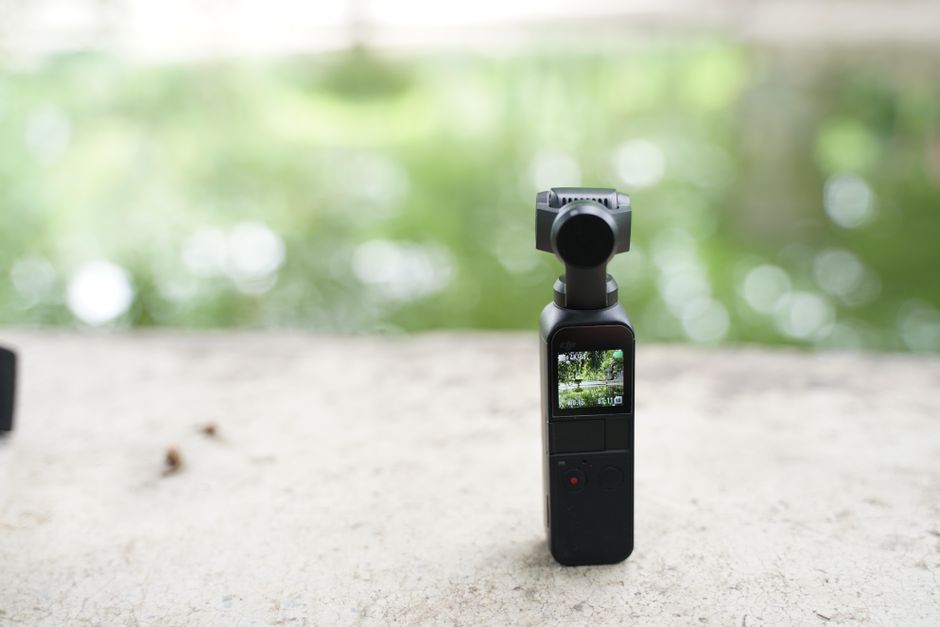
DJI Osmo Pocket 3 Review
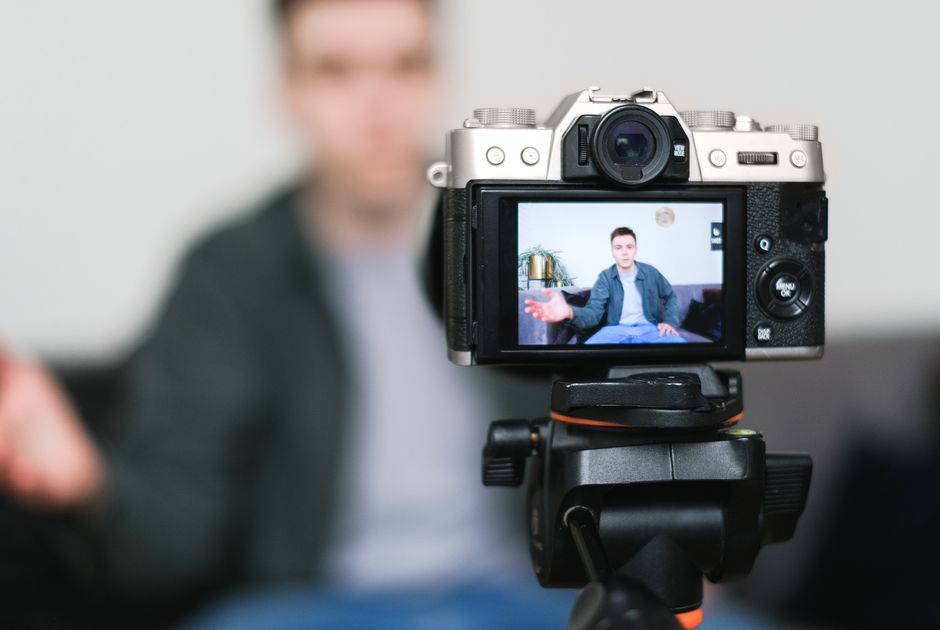
Best Compact Camera for Content Creators
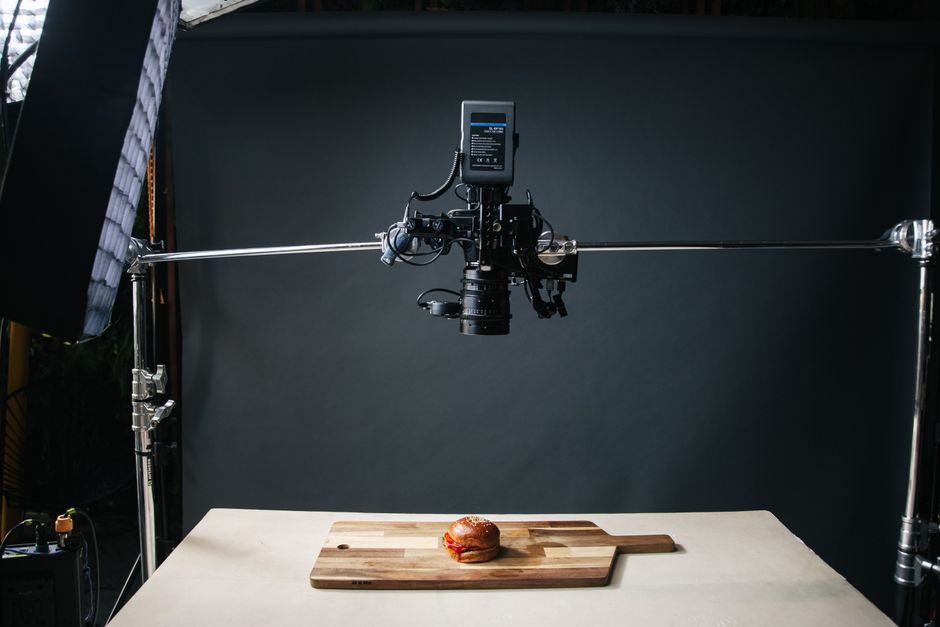
The Best Way to Film Overhead on a Phone
See our full Osmo Pocket 3 verdict
Ratings, where it shines, where it falls short, and who should buy it.