What Is a Light Tent? A Beginner's Guide to Light Boxes
What a light tent does, unlit tents vs LED light boxes, which size you need, and what to check (CRI, flicker, backdrops) for product video.
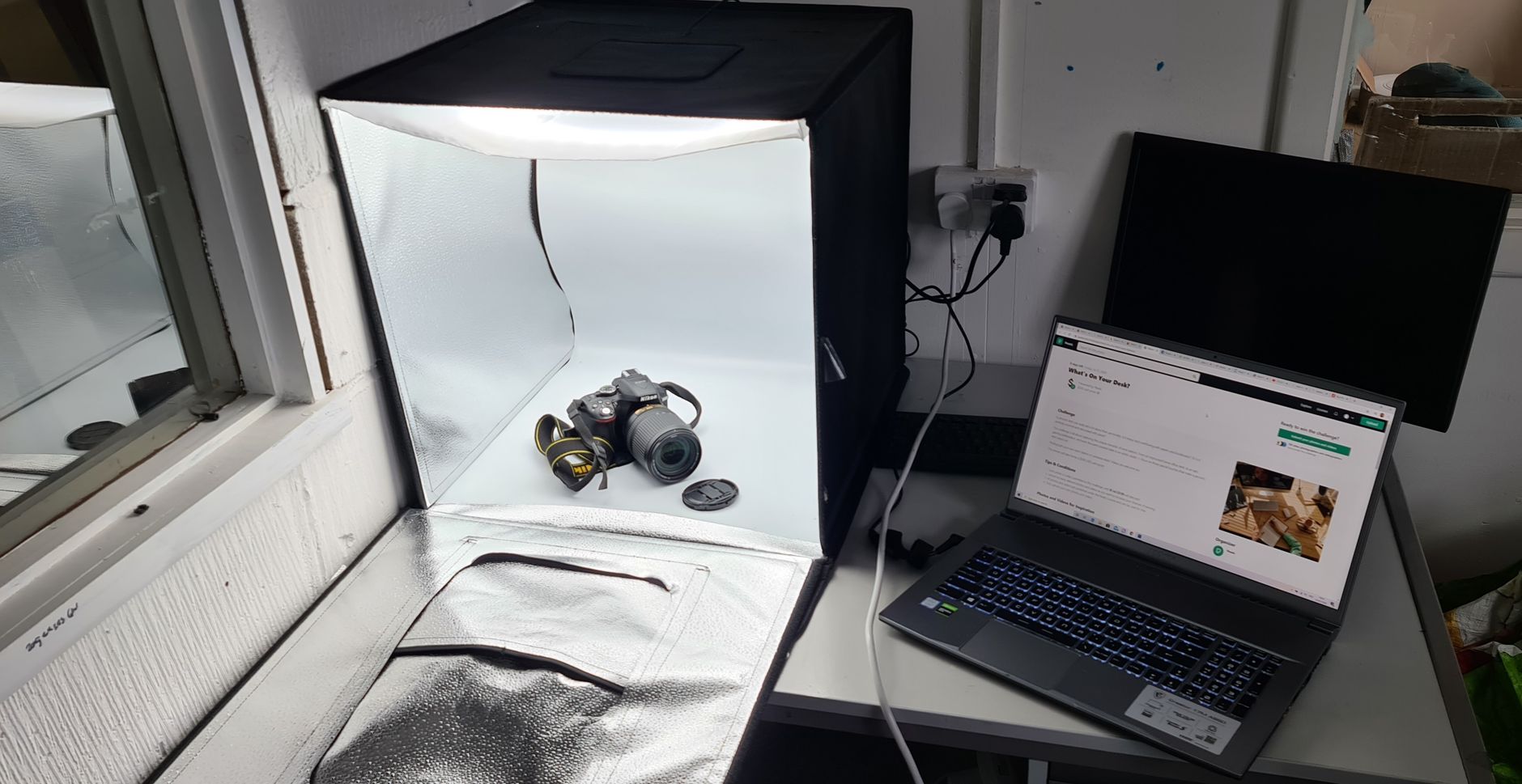
A light tent is the quickest way to make a small product look the same in every shot: evenly lit, on a clean background, with no harsh shadows. It turns whatever light is available into soft light, so a beginner gets a tidy result without learning studio lighting first.
This guide explains what a light tent does and how it works, the three types you will find, the sizes they come in, and what matters when choosing one for photos and YouTube product b-roll. It names no products and picks no winner: it is the background that makes any light tent listing readable. Every term is explained before it is relied on.
Five budget tents are compared, with a final choice, in the budget light tent for product photography post, part of the starter kit series for a new YouTube channel.
What is a light tent?
A light tent is an enclosure, usually a cube, with walls made of thin, translucent white material. You place a small object inside on a backdrop, put lights outside or switch on lights built into the roof, and point a camera through an opening at the front. The same item is sold as a light box, photo tent, shooting tent or light cube; the names are interchangeable (ExpertPhotography).
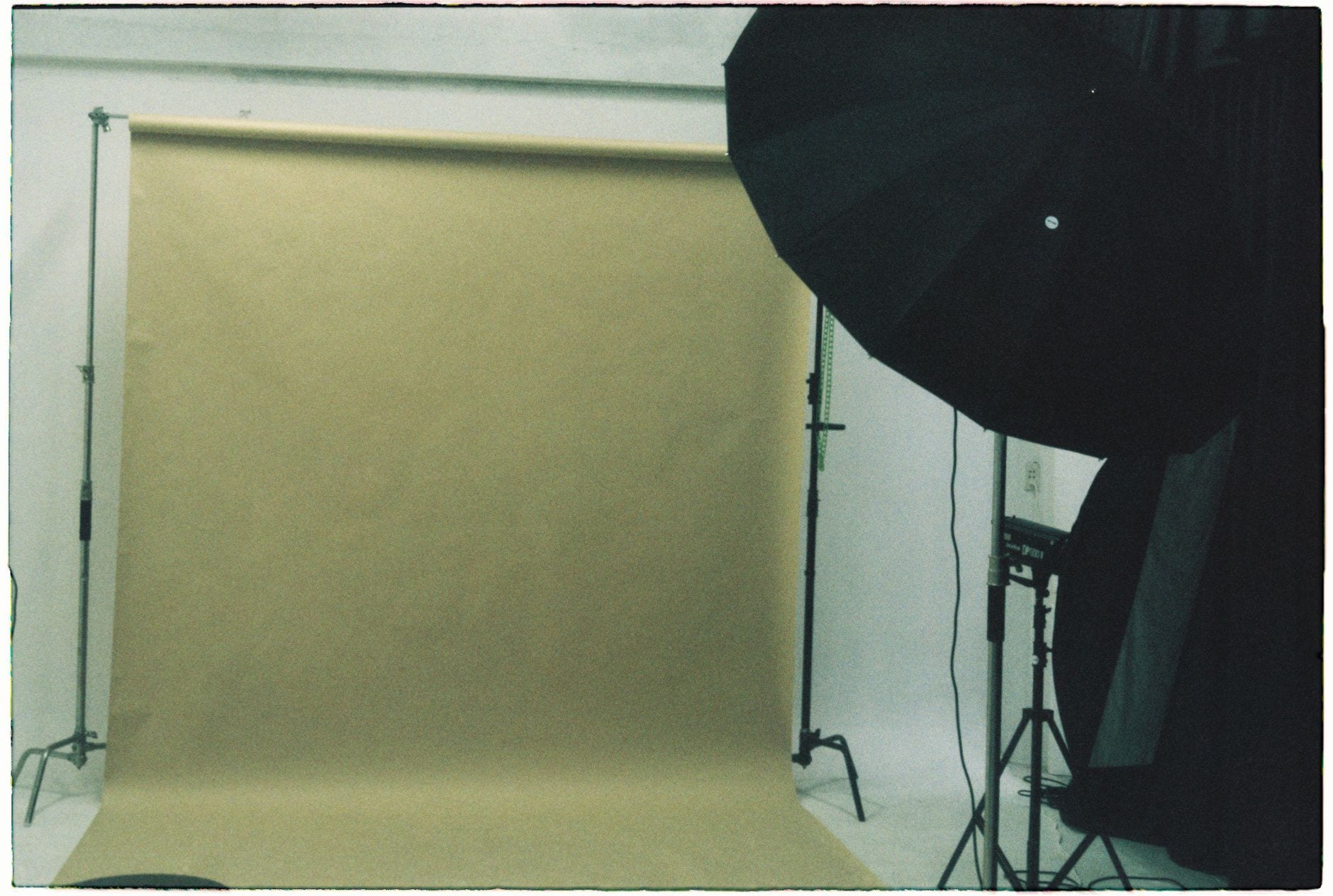
Most tents ship with a few coloured backdrops, typically white, black and one or two colours, that attach inside and curve from the back wall down onto the floor. That curve is a small sweep: a background with no visible corner between the upright and the flat surface, so the product sits on what looks like an endless plain surface. The seamless backdrop guide explains why the curve matters.
How does a light tent work?
The walls do the work. A bare lamp is a small, bright point, and light from a small point is hard: it leaves crisp, dark shadows and bright hot spots on anything shiny. When that light passes through a thin white fabric, the fabric scatters it, a process called diffusion. Each wall then glows as one large, even surface, and a large source makes soft light, with shadows that fade gradually rather than cut off sharply.
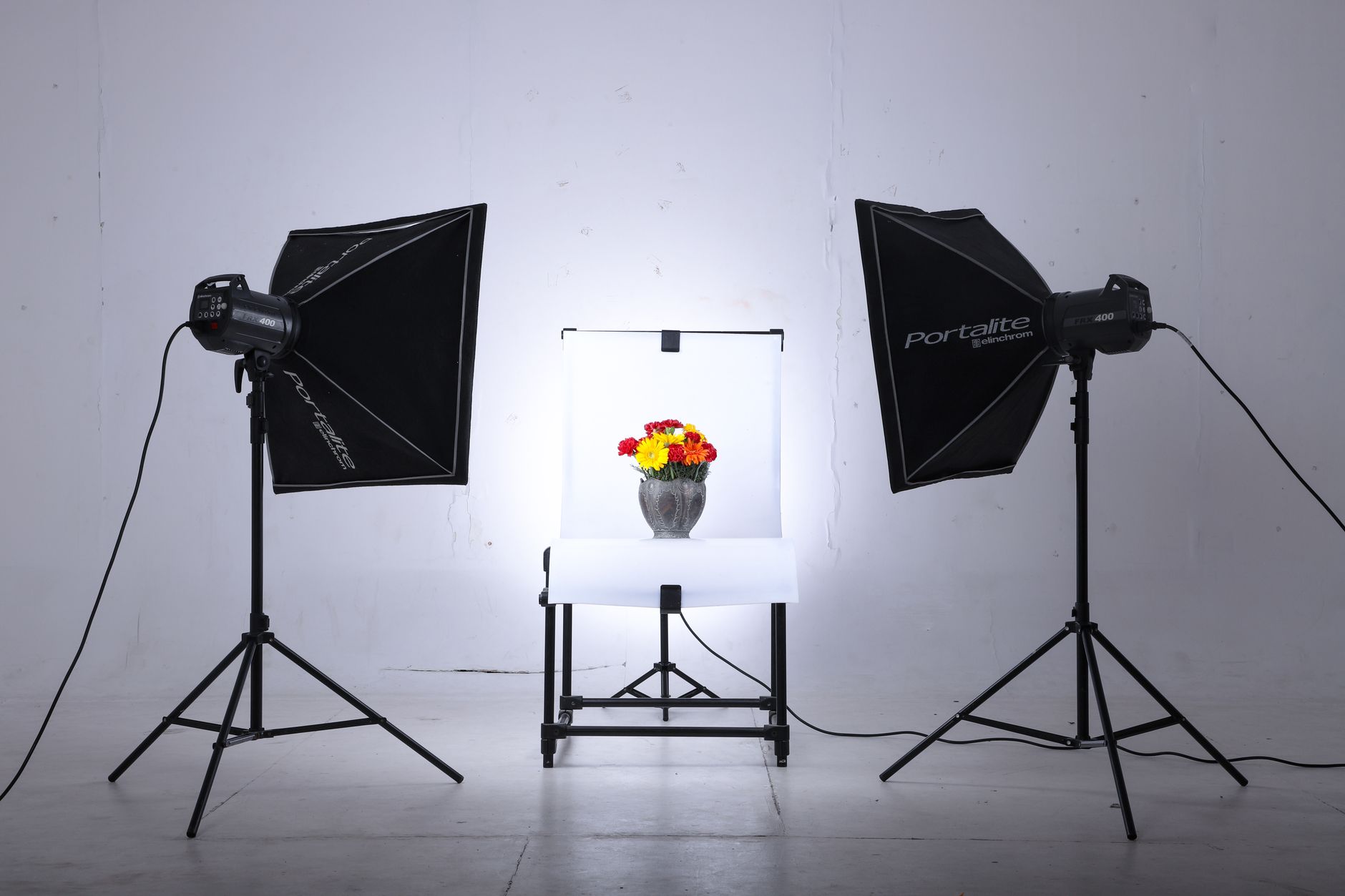
Because the light arrives through several walls at once, it reaches the object from most directions. Shadows on one side are filled by light from the other, so the object casts almost none (Wikipedia: Light tent). A softbox works on the same principle; a light tent simply wraps the diffusion around the subject instead of putting it in front.
The result is consistency. Light inside a tent changes little from one shot to the next, so a batch of products photographed on different days still matches, which is why tents are popular for plain white-background product images (SLR Lounge).
What types of light tent are there?
Light tents fall into three types. The difference that matters most is where the light comes from.
1. Unlit fabric tent
An unlit tent is a pop-up or folding cube of translucent nylon with no lights of its own. It usually has a front flap with a zipped or Velcro opening for the lens, and sometimes a port in the roof for shooting straight down. You light it from outside with two or more lamps, one on each side and often one above.
Its strength is size for the money: a large unlit tent costs about the same as a small lit one, because there is no electronics inside. Its weakness is that it is useless on its own. It needs lights and space for their stands, which makes it the natural partner for a kit that already includes softboxes or other continuous lights.
2. LED light box
An LED light box has strips of LEDs built into the roof, and sometimes the sides, behind a diffusing panel. It is usually powered by USB and often dimmable. It works the moment it is plugged in, on a desk, with no stands and nothing else to buy.
The catches are size and control. Built-in lighting is usually fixed in one place, so its direction cannot be changed (ExpertPhotography). Budget LED boxes are mostly 30 to 40 cm, and the quality of the LEDs is unknown until you test them, which matters on video, as the flicker section below explains. Many USB boxes also need a mains adapter that is not in the box.
3. DIY tent
A cardboard box with the sides cut out and covered in tissue or baking paper, a sheet of white card curved inside, and a desk lamp on each side is a working light tent. It costs nothing, and it is the best way to learn whether a tent suits your products before spending anything. It is fragile and harder to keep clean, and thin paper can colour the light slightly.
Light tent types at a glance
| Unlit fabric tent | LED light box | DIY box | |
|---|---|---|---|
| Light source | Your own lights, outside the tent | LED strips built into the roof | Desk lamps outside |
| Typical sizes | 40, 60 and 80 cm cubes, and larger | 30 to 40 cm at a budget price | Whatever box you have |
| Strengths | Large for the money, light direction under your control | Works alone on a desk, quick to set up | Free, good for learning |
| Weaknesses | Needs lights and stands, fabric creases | Small, fixed light, unknown colour quality and flicker | Fragile, paper can tint the light |
What size light tent do you need?
Size is the decision that limits everything else, because a tent only takes what fits inside it with room to spare. The object needs space around it so the backdrop curve stays behind it and the walls stay out of frame. A tent that only just fits the product leaves no room to change the angle.
- 30 to 40 cm suits small items: rings and jewellery, earbuds, a phone, a single-board computer, small accessories.
- 60 cm is the general-purpose size. It takes a compact desktop computer, a small network storage box, a pair of headphones or a camera with its lens attached.
- 80 cm and larger take long or bulky items and leave room for flat-lays, where several products are arranged on the floor of the tent and shot from above (ExpertPhotography).
The camera matters too. The field of view is how much of the scene a lens takes in. A wide lens, such as an action camera or a phone's ultra-wide mode, sees the tent's edges and opening, so it needs a bigger tent or a tighter lens. A phone's main camera, or a camera with a short zoom, can shoot a smaller tent from further back.
Anything larger than about a metre, from a bike to a person on camera, is outside what a tent does. That work belongs to an open seamless backdrop lit by separate lights.
What matters when choosing a light tent?
With the type and size settled, a short list of points separates one tent from another. Work through them in order.
1. Built-in light or your own?
Decide whether the tent must work on its own. If it will always be lit by lights you already own or plan to buy, an unlit tent gives a larger size and full control of direction and colour. If it must work on a desk with nothing else, an LED box is the only type that does, and its size and fixed light come with it.
2. Colour quality: CRI and colour temperature
CRI (colour rendering index, a 0 to 100 score for how faithfully a light shows colours compared with daylight) matters most for product shots, because a buyer judges a product by its colour. A score of 95 or above is the usual aim for video. Colour temperature, measured in kelvin, is how warm (orange) or cool (blue) the light looks. Budget LED boxes list CRI anywhere from 80 to the high 90s, and some listings contradict themselves, so treat the figure as a claim rather than a measurement. The colour temperature and CRI guide covers both in depth.
3. Flicker on video
This is the point that separates a tent for video from a tent for stills. Many cheap LEDs are dimmed by PWM (pulse-width modulation), which switches the light on and off very fast rather than lowering its power. The eye sees steady light. A camera with a rolling shutter, which reads the image line by line rather than all at once, as most phones do, can catch the light in different states on different lines, and the result is horizontal bands across the picture (ENTTEC: why LEDs flicker on camera).
Dimmed settings are where banding shows most. Before relying on a lit box, run its LEDs at full brightness and record a ten-second test clip at the frame rate and shutter speed you will use. An unlit tent sidesteps the issue for its built-in light, since it has none, and inherits whatever the external lights do. The frame rate and shutter speed guide explains the camera side.
4. Backdrops included
Check how many backdrops come in the box and what they are made of. Fabric backdrops fold small but crease. PVC (a wipe-clean plastic sheet) stays smooth and cleans easily but can reflect light, so a matte finish is better than a glossy one for video.
5. Openings and set-up
A front flap that opens wide, and a roof port for overhead shots, make a tent far more useful for top-down filming. Look at how it folds: a pop-up tent is fast but awkward to fold, while a box with rigid panels and magnets is slower to build but packs flatter.
6. Power, for lit boxes
USB-powered boxes often state a minimum adapter rating and do not include the adapter. A weak phone charger can leave the LEDs dimmer than listed. Check the rating on the listing against an adapter you own.
What can a light tent not do?
A light tent is good at one job, and knowing its limits saves a wasted purchase.
- Very shiny objects. Glass, chrome and polished jewellery reflect their surroundings, and inside a tent the surroundings are bright white walls and a dark camera opening. Those reflections can be hard to remove, and some photographers argue a tent cannot give a good result on highly reflective objects at all (SLR Lounge).
- Shape and mood. Light from every side removes the shadows that show texture and depth. A product with a strong shape often looks better with directional light from one side.
- Creases. Fabric tents and backdrops arrive folded and need ironing or steaming before the creases stop showing (ExpertPhotography).
- Anything on camera. A tent is for products. It does nothing for a presenter or a talking-head shot, which needs a light on the person and a background behind them.
Is a light tent the same as a backdrop sweep?
No, though they overlap. A light tent is a sweep with diffusing walls around it: fast, even and identical every time, but limited to items that fit inside and to a flat, shadowless look. An open backdrop sweep lit by separate lights takes bigger items, lets the light come from any direction for more shape, and can double as a background on camera, at the cost of positioning the lights each time.
Many tabletop creators end up using both: a tent for quick, repeatable shots of small products, and a sweep where the shot needs more room or more character. The post on whether you need both a light tent and a backdrop sweep compares the two side by side.
Do you need a light tent for YouTube?
Only if the channel shows products. A light tent earns its place in product b-roll (the cutaway footage of the thing being discussed) and in thumbnails and still images, where a clean, consistent look across many videos makes a channel recognisable. A channel built on screen recordings, voiceover or a presenter at a desk gets nothing from it.
For a beginner starting from nothing, the deciding question is simple: will the tent always be lit by other lights, or must it work alone on the desk? The first points to an unlit tent sized for the largest product you expect to shoot. The second points to an LED box, accepting its smaller size and testing it for flicker before relying on it. A cardboard box and two desk lamps answer both questions for free before any money is spent.
Summary: how to read any light tent listing
- Decide where the light comes from: your own lights (unlit tent) or built in (LED box).
- Size it for the largest product, with room to move the camera, and allow for a wide lens.
- Treat CRI figures as claims, and aim for 95 or above where colour matters.
- Test any built-in LEDs for flicker on the camera you will use, at full brightness first.
- Check the backdrops, openings and power against how you will shoot.
- Plan for creases and reflections, the two problems every tent shares.
Frequently asked questions
What is a light tent used for?
Is a light box the same as a light tent?
Do light tents come with lights?
What size light tent is best for beginners?
Why does my light box flicker on video?
Can I make a light tent at home?
Sources
What Is a Seamless Backdrop?
What Is a Softbox?
Colour Temperature and CRI